The history of yoga begins in India over 5,000 years ago as a holistic discipline designed to unite the body, mind, and spirit. Rooted in ancient philosophy and spiritual traditions, yoga was developed to cultivate inner balance, self-awareness, and harmony with nature. As yoga evolved through sacred scriptures, teachings, and dedicated practice, people also began to discover the true meaning of asanas—not just as physical postures, but as tools for stability, awareness, and meditation. Over centuries, yoga has adapted to the changing needs of society while preserving its core purpose, emerging as the profound and widely practiced system we know today.
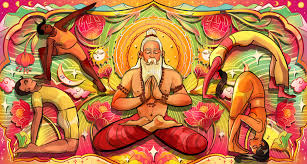
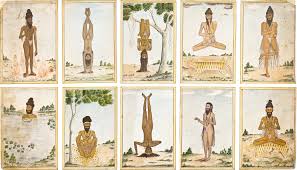
1. Pre-Vedic & Indus Valley Era (c. 3000–1500 BCE)
Archaeological finds, like seals from the Indus Valley Civilization, depict meditative postures—suggesting early yogic practices focused on awareness and inner stillness.

2. Vedic Period (c. 1500–500 BCE)
The Vedas mention breath control, rituals, and meditation. Yoga here was closely tied to spiritual knowledge and connection with the cosmos.
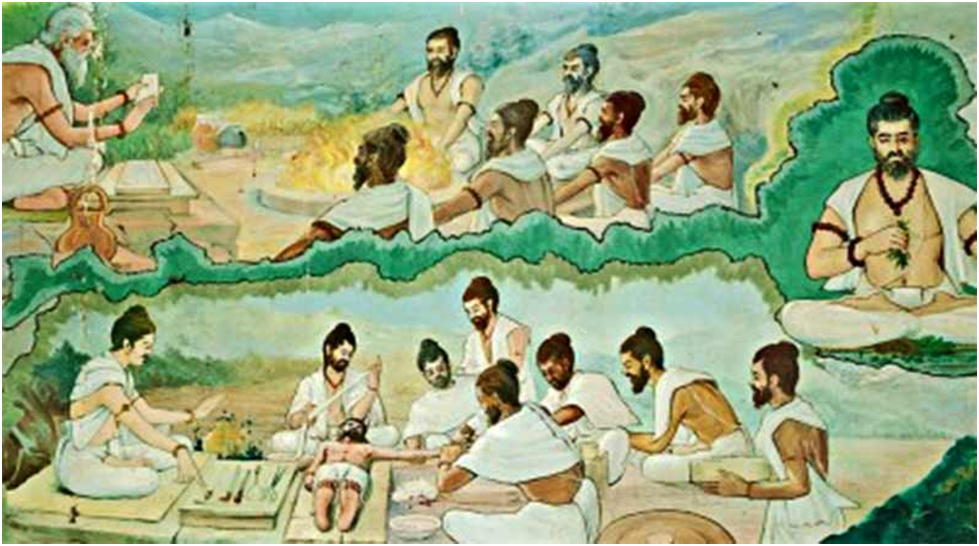
3. Upanishadic Period
The Upanishads, a collection of texts, refined yogic thought, introducing concepts such as self-realization (Atman) and the pursuit of liberation (Moksha) through meditation and discipline.
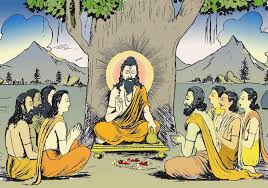
4. Classical Period (c. 200 BCE–400 CE)
Sage Patanjali systematized yoga in the Yoga Sutras, outlining the Eightfold Path (Ashtanga Yoga)—ethical living, posture, breath, concentration, meditation, and enlightenment.

5. Post-Classical Period
Practices expanded with Bhakti Yoga (devotion) and Tantra, emphasizing rituals, mantras, and energy. The body became a direct tool for spiritual growth.

6. Hatha Yoga Era (c. 1100–1500 CE)
Texts like the Hatha Yoga Pradipika emphasized asanas, pranayama, and cleansing techniques to prepare the body for meditation.

7. Modern Era (20th Century–Present)
Yoga spread globally through teachers like Swami Vivekananda, T. Krishnamacharya, B.K.S. Iyengar, and Pattabhi Jois, evolving into diverse styles practiced today for health, fitness, and mindfulness.

Today, yoga beautifully blends ancient wisdom with modern science, creating a practice that supports overall well-being in a fast-paced world. Time-tested yogic principles are now backed by scientific research, showing clear benefits for physical strength, flexibility, posture, and immunity. At the same time, yoga nurtures mental clarity by reducing stress, improving focus, and enhancing emotional resilience. Beyond the physical and mental benefits, yoga encourages inner balance and mindful living, helping individuals connect more deeply with themselves. Practiced across cultures and countries, yoga has become a universal path to holistic health, inner peace, and sustainable well-being.